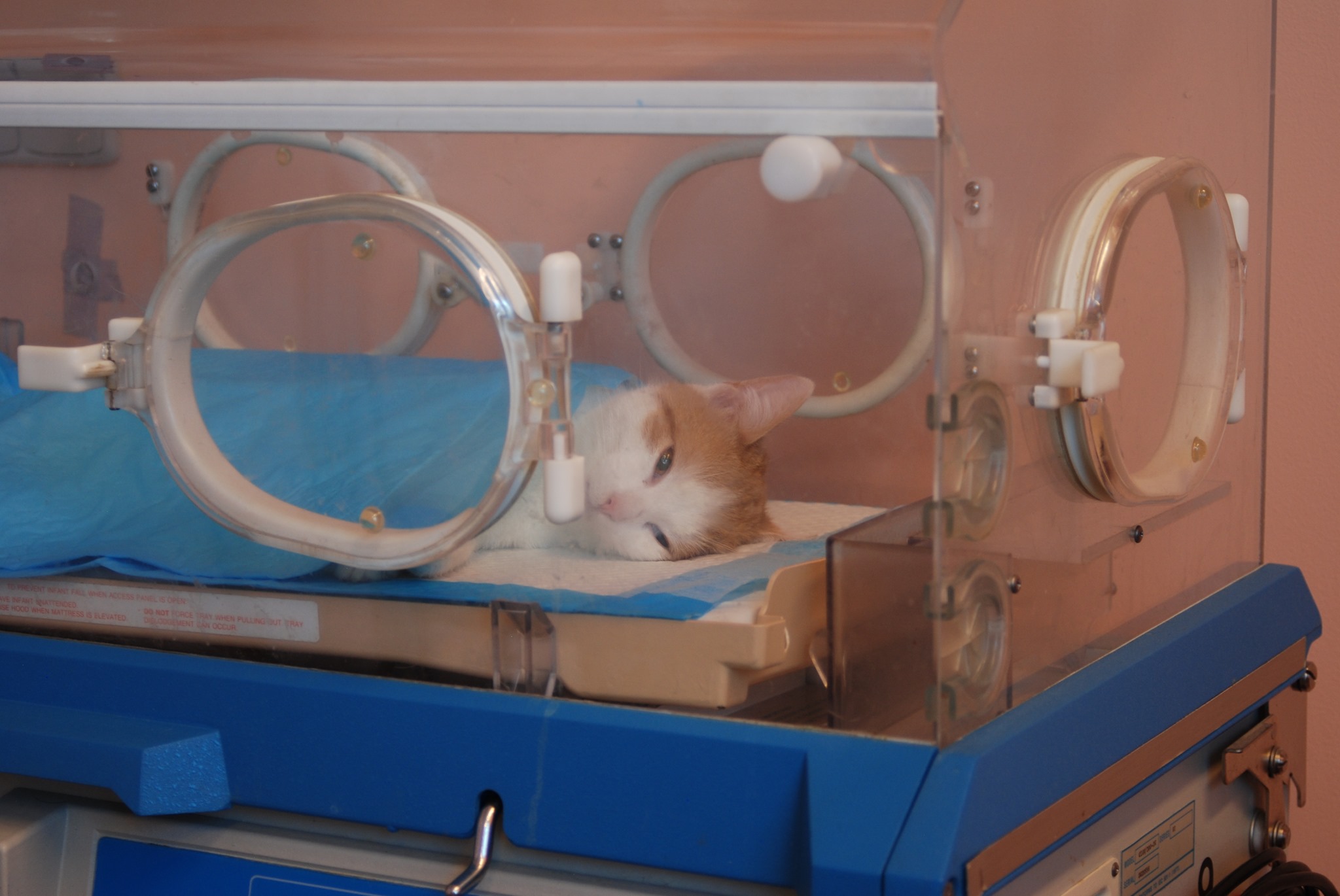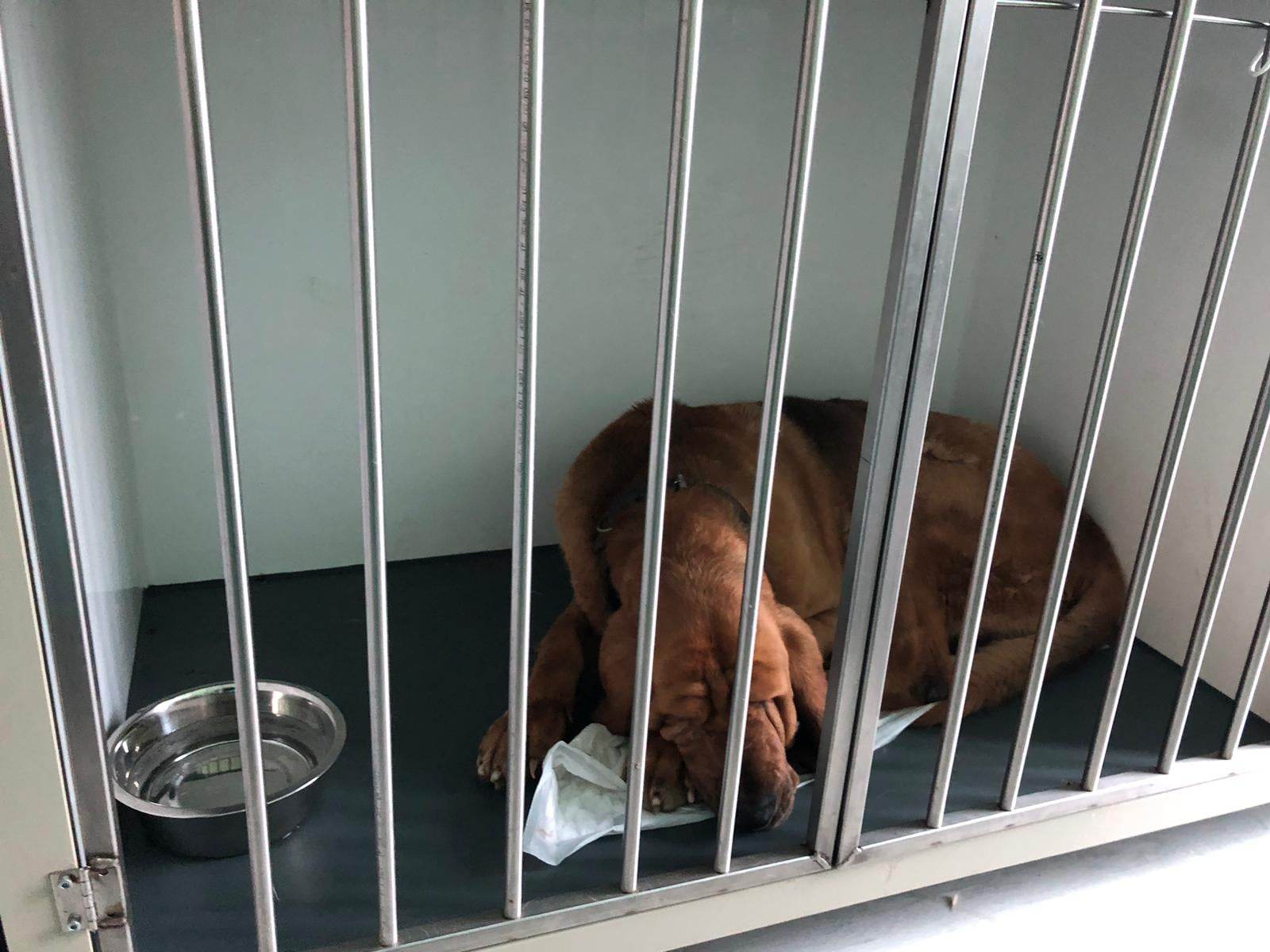
We hospitalize patients at the clinic after severe injuries and surgeries. During their stay, they are under regular veterinary supervision, and we can provide them with all the necessary care.
When to Hospitalize?
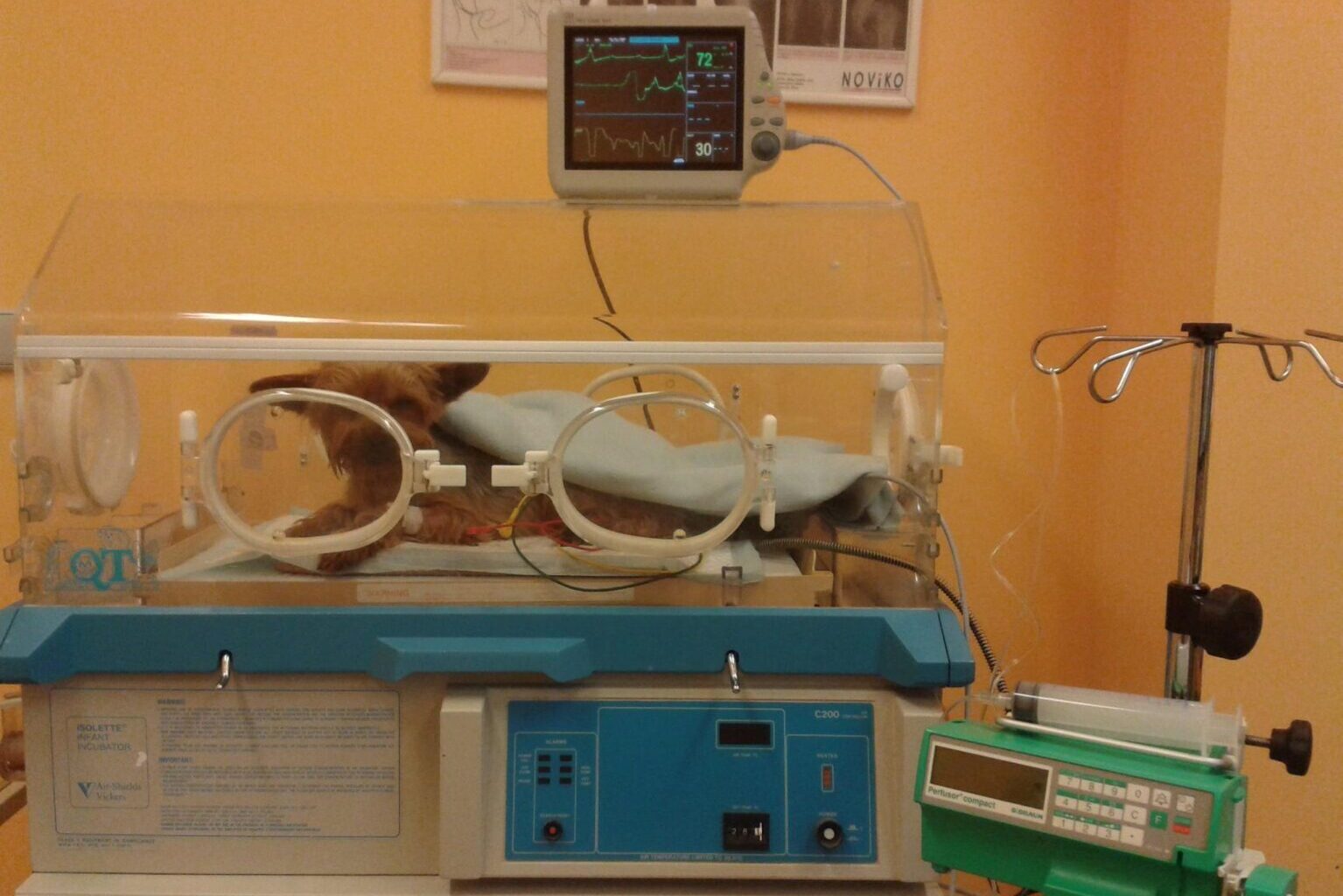
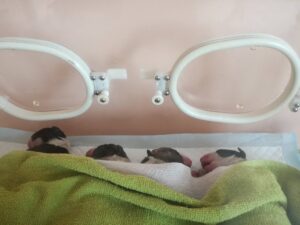
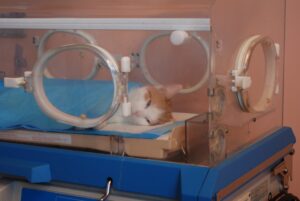
Car accidents, complicated fractures, or serious conditions involving poisoning, infections, and internal organ damage require fluid therapy, repeated monitoring of the health status, and maintaining a constant body temperature. For such patients, we have two heated incubators, several hospitalization boxes of various sizes for dogs and cats in a separate room, and also terrariums for the hospitalization of reptiles.What Happens to a Hospitalized Pet?
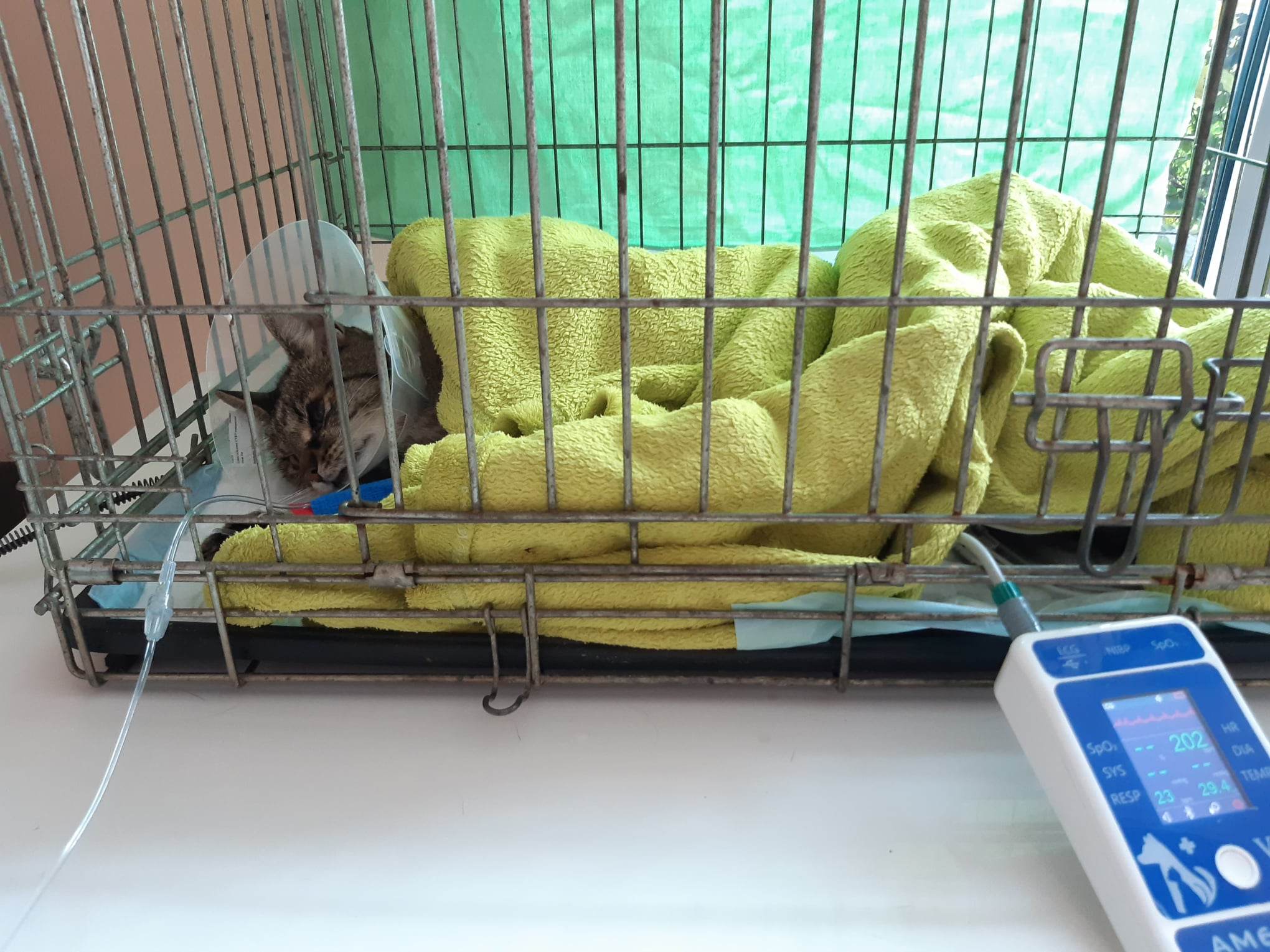
Monitoring of Vital Signs
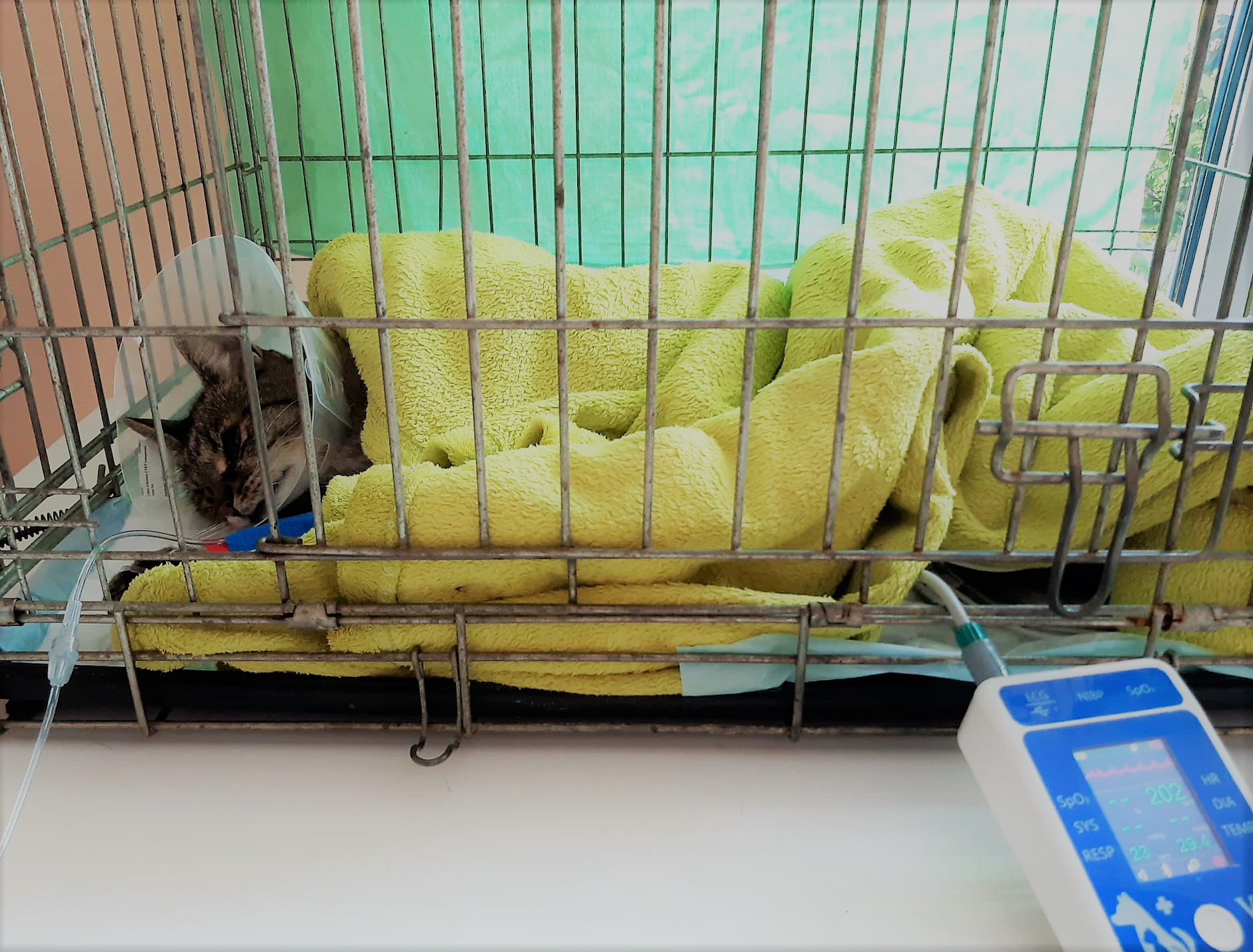
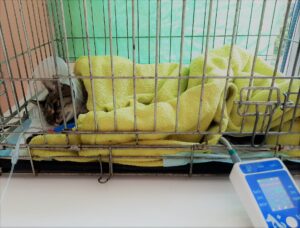
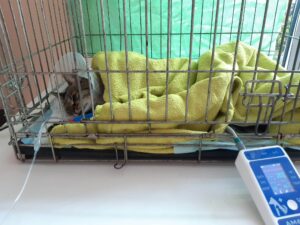
Pets in critical condition are under continuous supervision, and their vital signs are recorded by special monitors. All important information is recorded in the hospitalization log.Administration of Medication, Fluid Therapy, and Follow-up Examinations
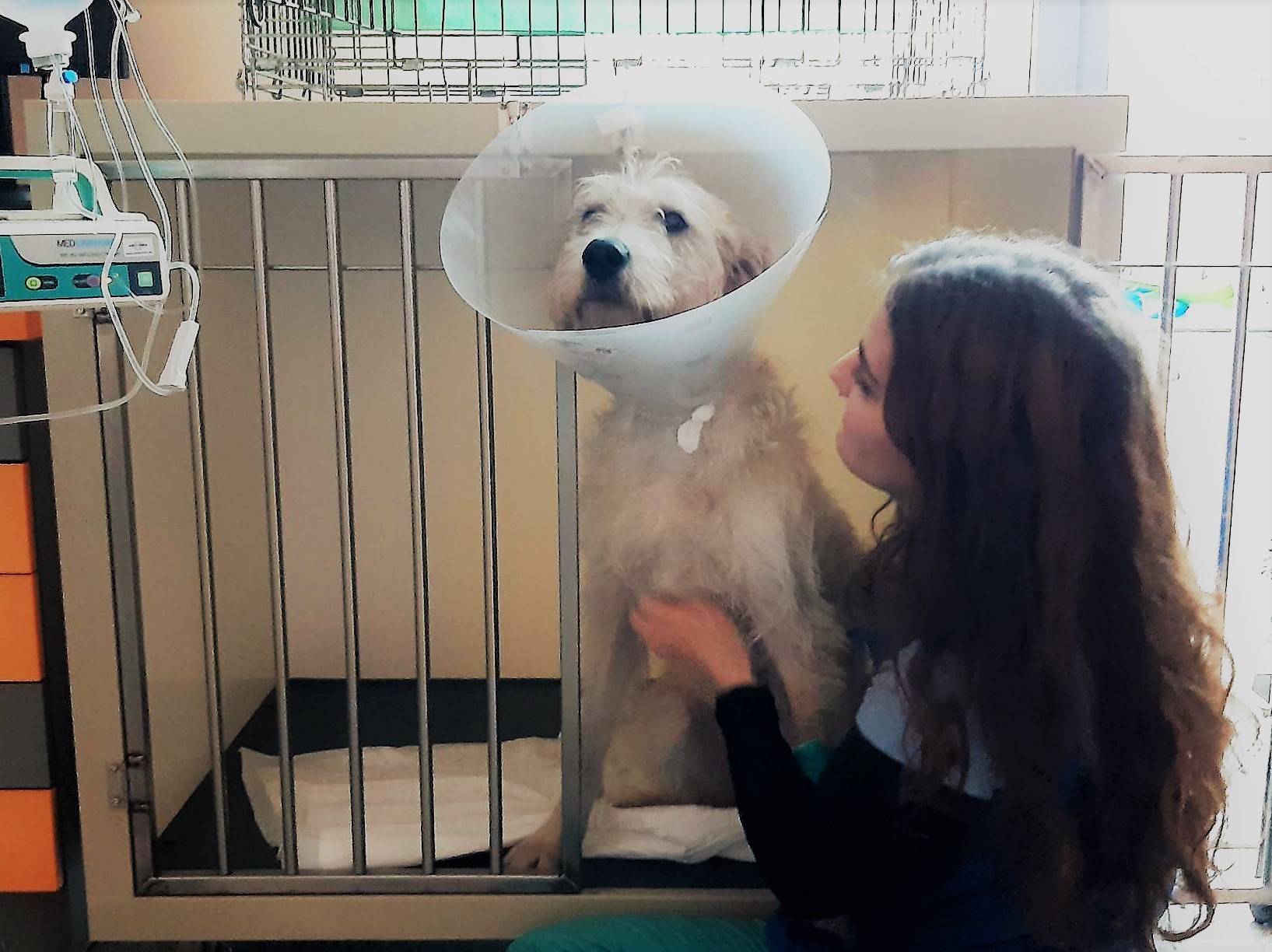
Hospitalized patients are administered medication according to their treatment plan. Injuries or surgical wounds are regularly treated and bandaged. Hospitalizing the pet allows us to perform follow-up examinations at the required intervals.Hospitalization of Cats
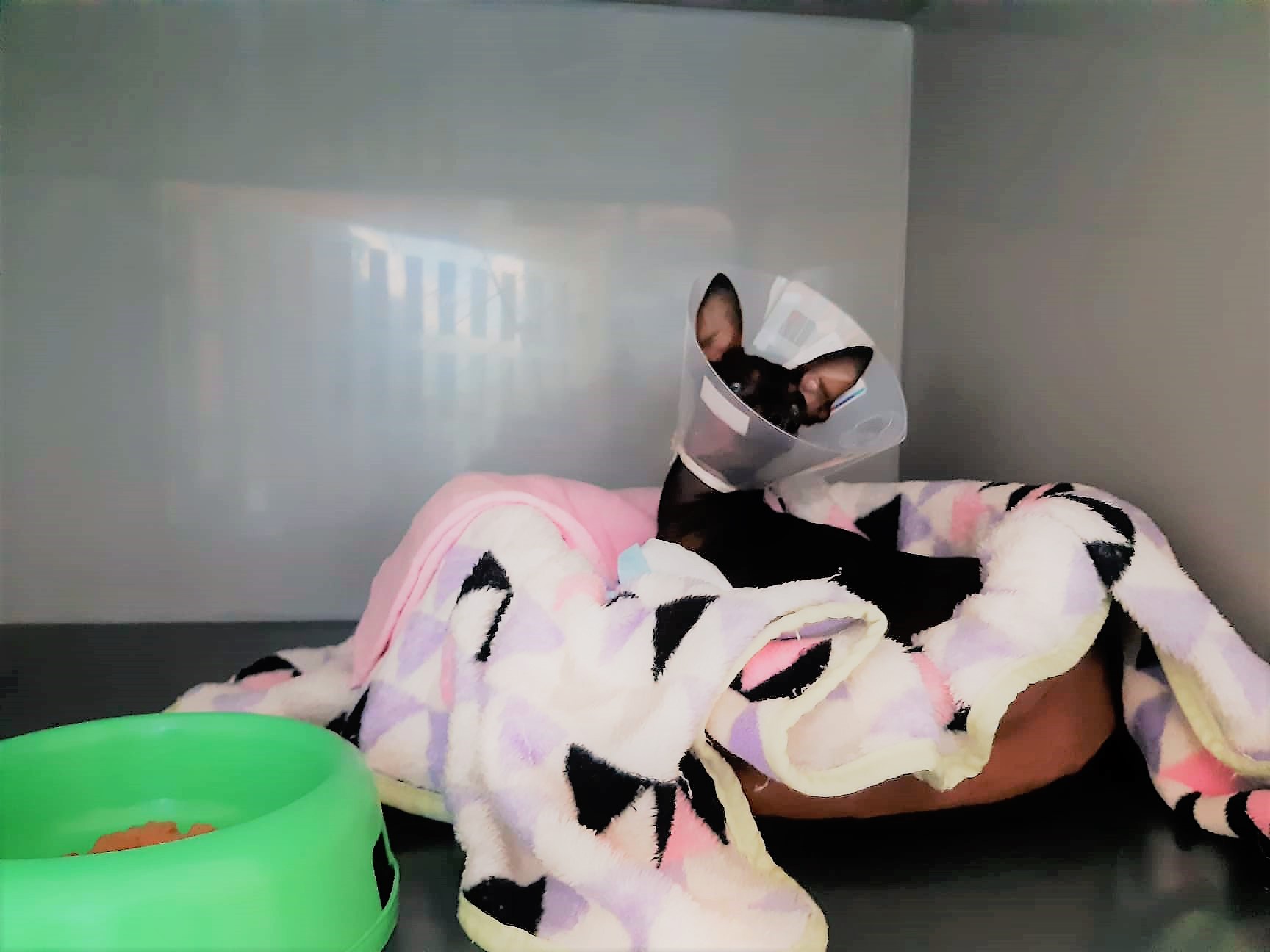
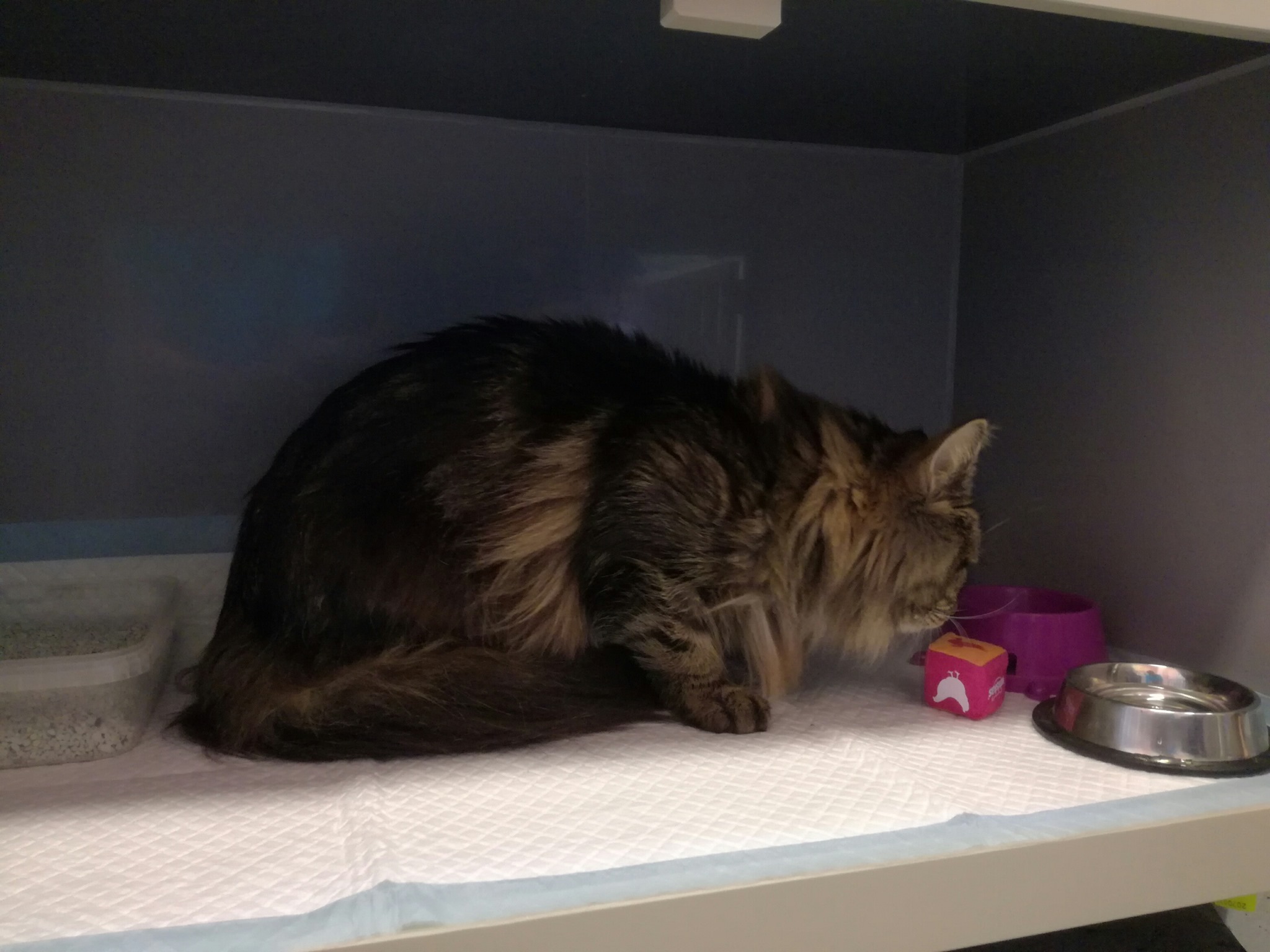
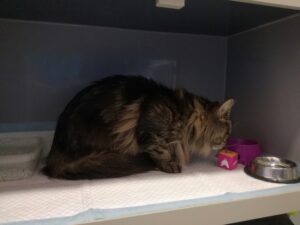
Cats whose health condition allows it are hospitalized in a room separate from the dog hospitalization area. Feline hospitalization boxes meet the requirements of the International Society of Feline Medicine (ISFM) and provide cats with plenty of privacy.Hospitalization of Dogs
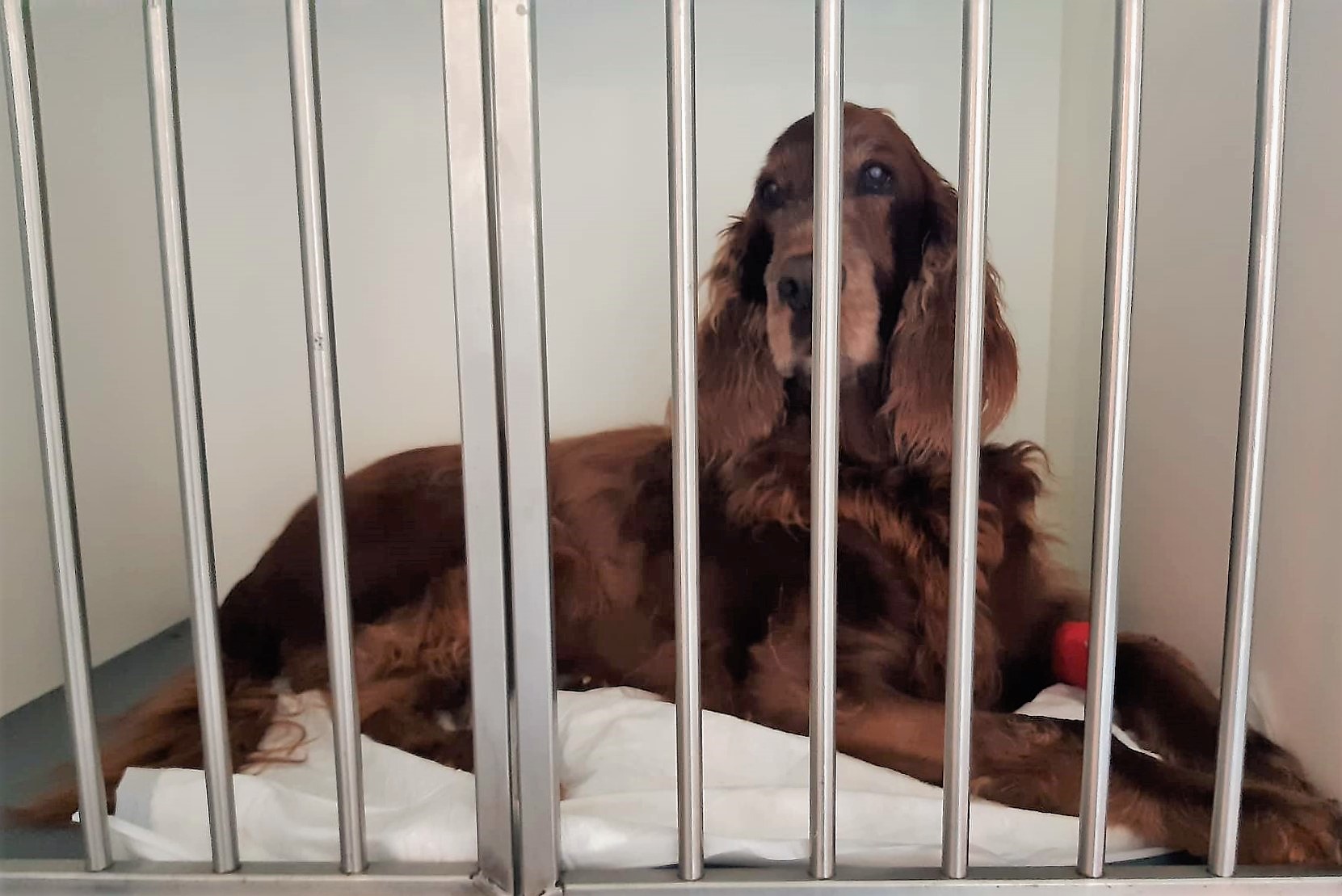
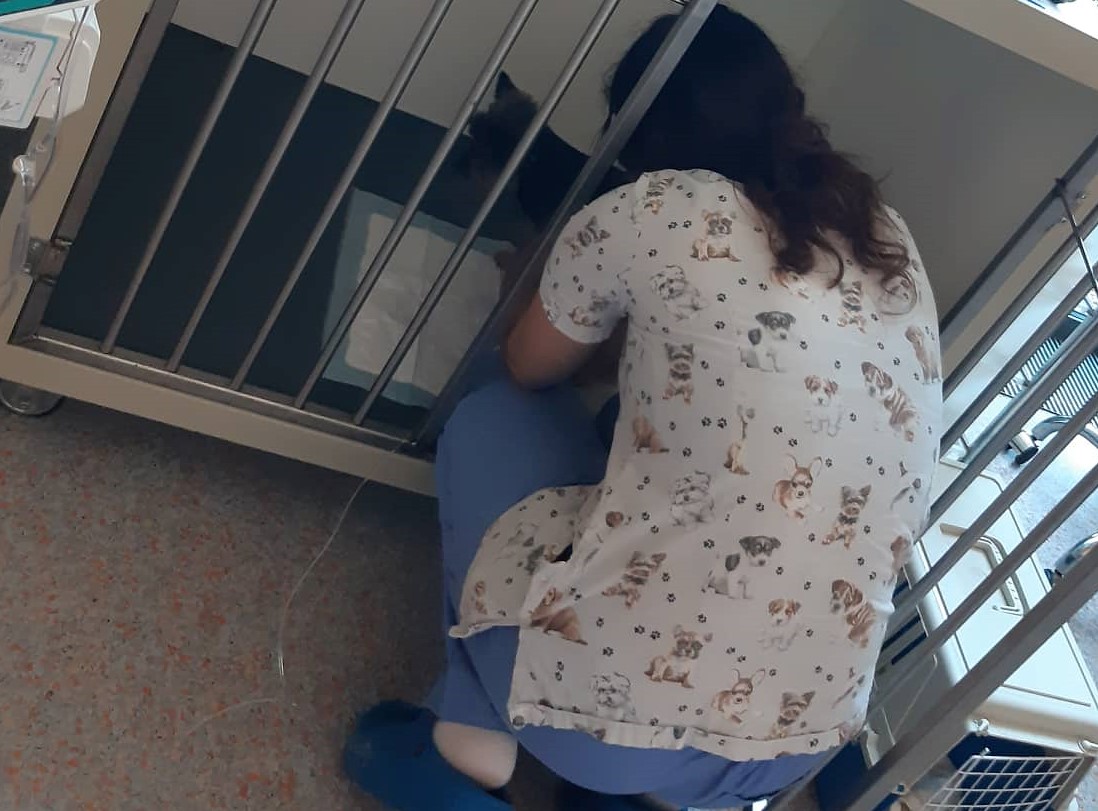
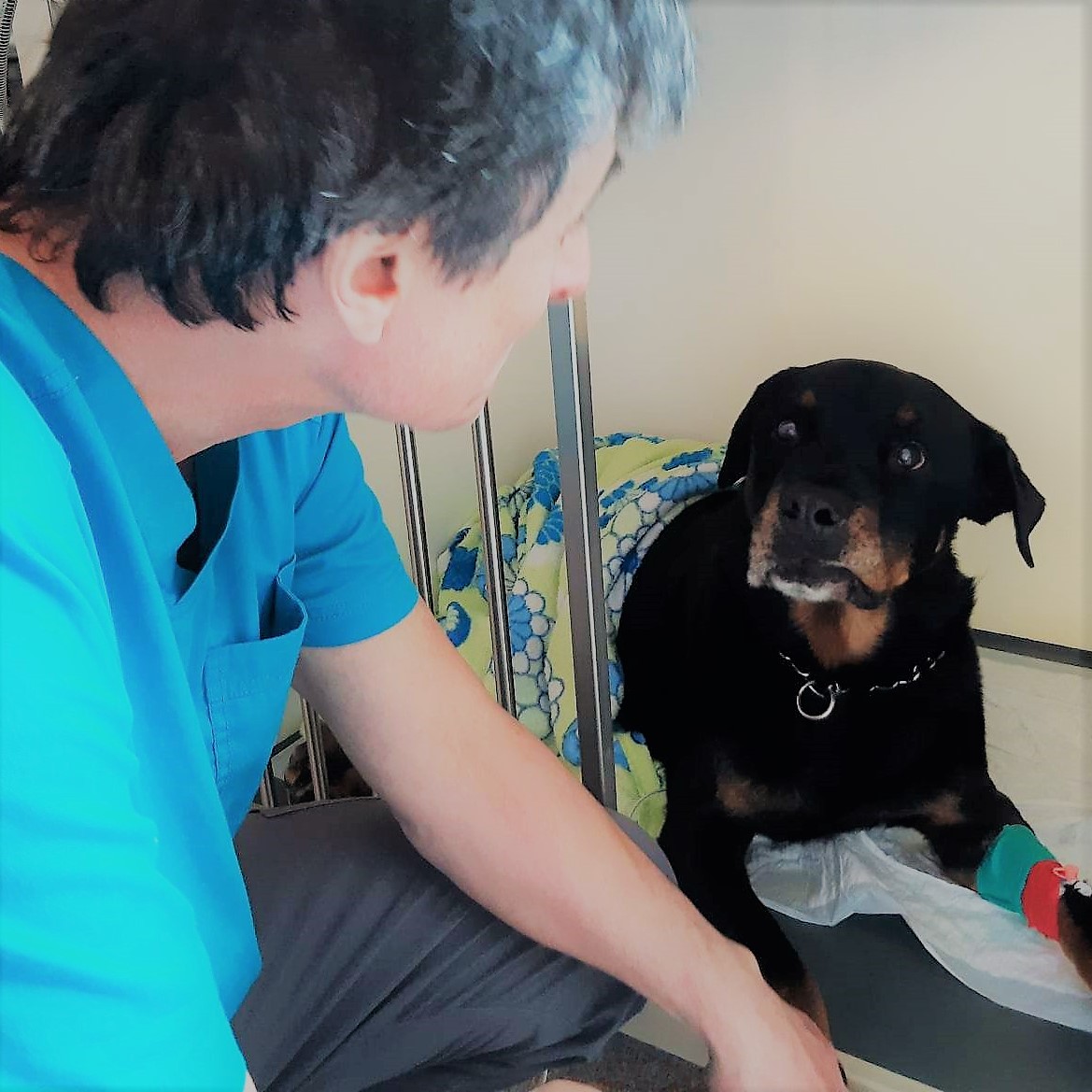
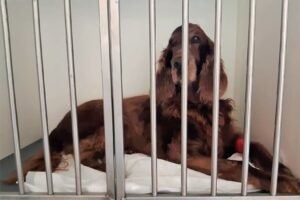
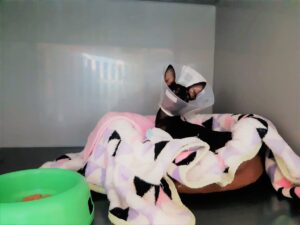
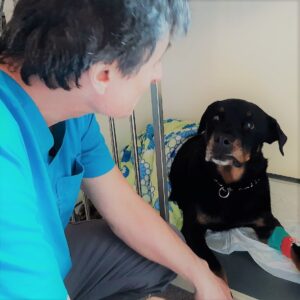
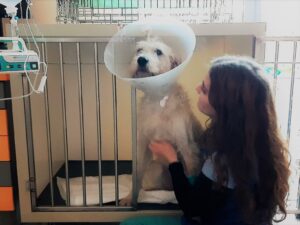
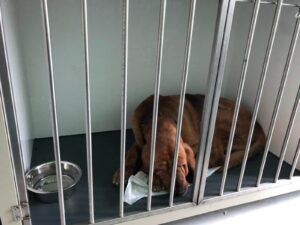
Dogs whose health condition allows it are hospitalized in boxes according to their size. Extra spacious boxes are designed for large and medium breeds, while toy and small breeds feel more comfortable in smaller boxes.Hospitalization of Reptiles and Small Mammals
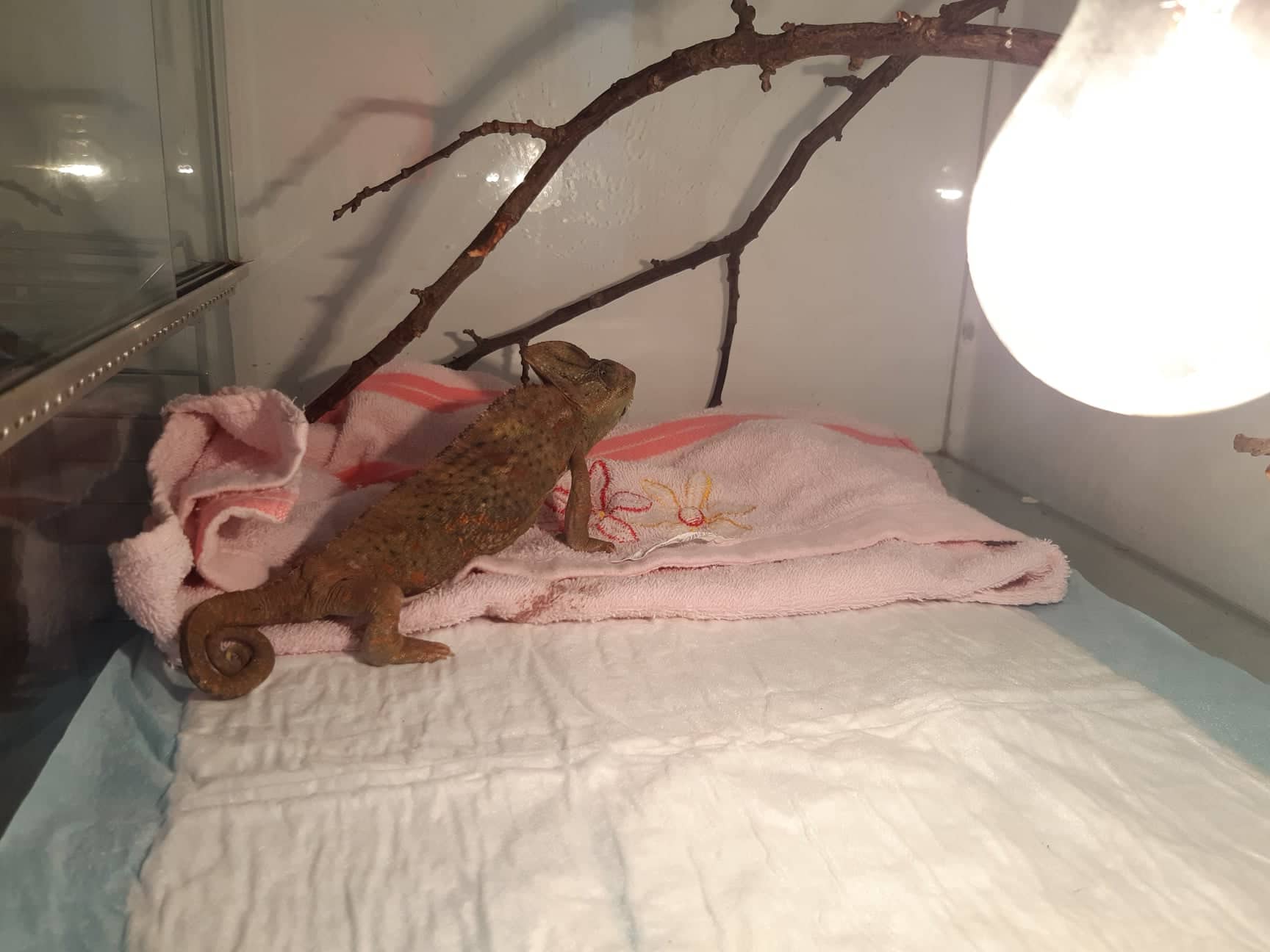
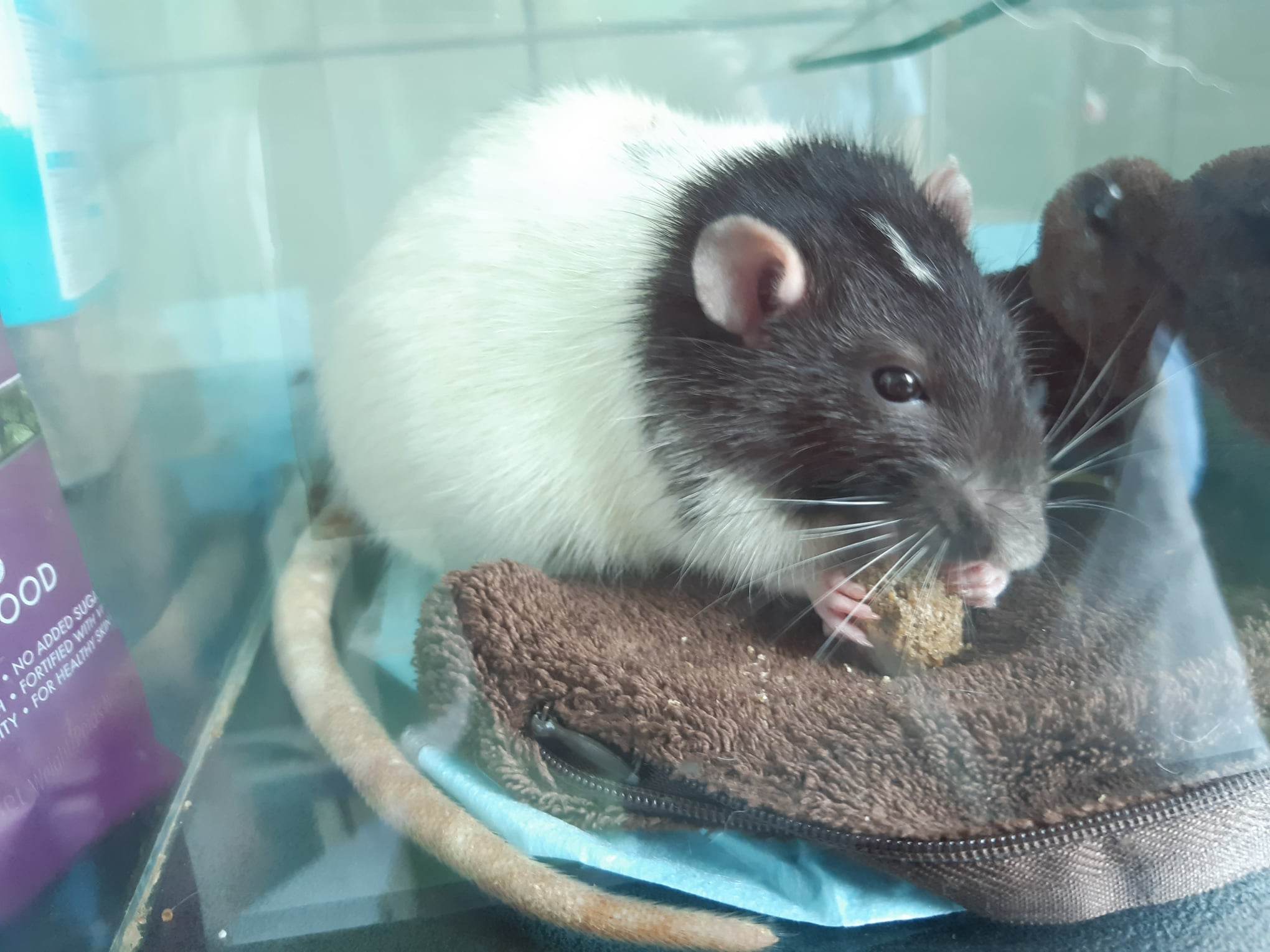
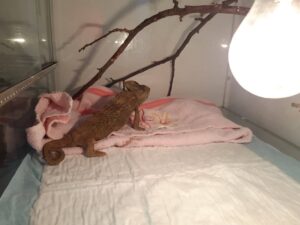
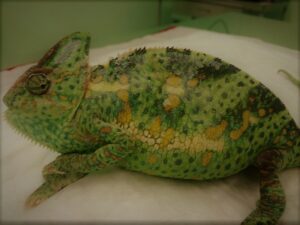
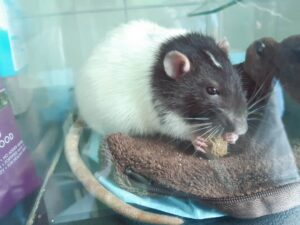
For reptiles and small mammals, we have prepared terrariums with heating options that can be individually adjusted according to the needs of each patient.Hydration and Diet
Under the supervision of a veterinarian, veterinary nurses ensure proper hydration and food intake with regard to the patient’s health status. If the situation requires it, the intake of fluids and nutrients is provided intravenously. Depending on their indication, our patients receive Royal Canin veterinary diets and Hill’s food, and cats suffering from a loss of appetite have become very fond of pates from the Inaba company. The diet of small mammals and reptiles is adjusted individually based on specific requirements and health conditions.Hygiene and Walking
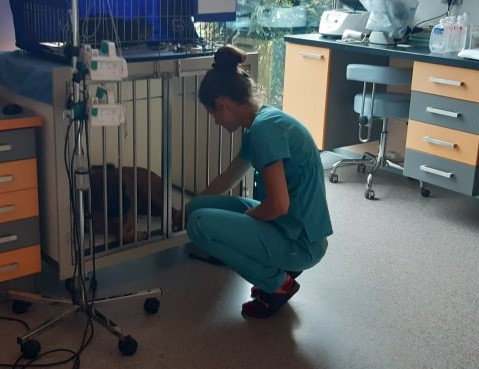
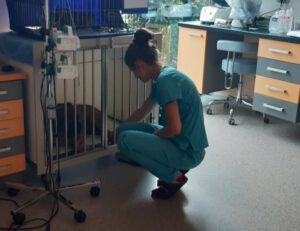
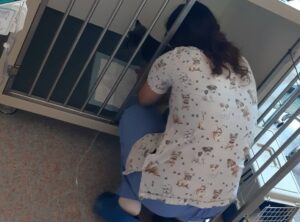
Patients who are unable to move or walk are cared for and kept clean by our veterinary nurses. Hygiene is one of the most important factors for successful wound healing and the prevention of complications, which is why the hospitalization boxes are also regularly disinfected. We encourage activity in pets that are able to walk. The nurses take them out for regular walks, and for most patients, being walked is a welcome change and distraction.Games and Toys
Patients can bring their favorite blanket, toy, or bed with them. However, for hygienic or safety reasons, it is not always possible for them to have it by their side. Even in such cases, the pet will always receive plenty of attention, petting, or cuddling.Won’t They Be Sad?
Pets in a serious medical condition usually do not worry about being separated from their owner. Our nurses and veterinarians pay close attention to all patients throughout their hospitalization. The owner can always visit their pet at an agreed time and consult the course of treatment with the attending veterinarian.